Acne Scar Treatment in Denver: Options That Actually Work
 August 11, 2026 |
  Author
 Acne scars can linger long after breakouts clear. For people in the Denver area, several treatment options are available that target different types of scarring. The right choice depends on the shape, depth, and age of the scars, as well as your skin type and treatment goals.
Acne scars are a common problem treated at dermatology practices across Denver. Treatments range from fractional laser resurfacing and microneedling to fillers, subcision, and chemical peels. Some procedures smooth the surface of the skin, while others work beneath it to release scar tissue. Many patients combine approaches to get the best results, and a board-certified dermatologist can help design a plan that fits your specific skin.
Why Acne Scars Form and What Treatment Needs to Do
Acne scars form when inflammation damages the skin’s collagen and elastin. When the skin heals, it can produce too little collagen, leaving a depressed or indented scar, or too much collagen, creating a raised scar. Most acne scars that patients seek treatment for are the depressed type, including rolling scars and boxcar scars.
Treatment needs to do one of two things: resurface the top layers of the skin to improve texture, or stimulate new collagen production to lift the depressed areas. Many advanced treatments do both. That is why dermatologists often recommend a plan rather than a single procedure. The best acne scar treatment in Denver depends on your scar type, so an accurate assessment is the first step.
Choosing the Right Treatment for Your Scar Type
There is no one-size-fits-all answer when selecting acne scar treatment in Denver. A dermatologist or licensed provider will examine your scars to determine whether they are rolling, boxcar, ice pick, or a mix of types. This matters because each type responds differently to treatment, and using the wrong approach can lead to disappointing results.
Rolling Scars and Boxcar Scars
Rolling scars have a wavy appearance and are caused by fibrous bands that tether the skin down. Boxcar scars are broader depressions with sharp edges. Both respond well to subcision, a technique that breaks up scar tissue underneath the skin. Subcision can help release soft, broad acne scars and help them float closer to the surface of your skin, lessening the shadowed effect that makes them visible.
Comparing Common Treatment Options
The table below summarizes how the most common acne scar treatments in Denver compare. Your dermatologist may recommend one of these alone or a combination, depending on the severity of your scarring.
| Treatment | How It Works | Best For |
|---|---|---|
| Fractional laser resurfacing | Creates thousands of tiny wounds in the skin while leaving surrounding tissue intact | Texture issues and general scar smoothing |
| Subcision | Uses a small needle to break fibrous bands under the skin | Rolling and boxcar scars |
| Microneedling and RF microneedling | Stimulates collagen production through controlled micro-injuries | Mild to moderate scarring |
| Fillers | Add volume beneath the scar to lift it level with surrounding skin | Deep, depressed scars |
| Chemical peels | Exfoliate the skin’s surface to improve texture | Superficial scarring and overall tone |
Fractional Laser Resurfacing
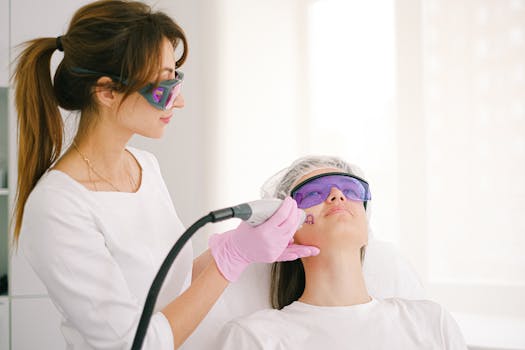
Fractional laser resurfacing is one of the most effective tools for acne scar treatment in Denver. This technology creates thousands of tiny wounds in the skin while leaving the surrounding skin intact. Those micro-wounds trigger the body’s natural healing response, which produces new collagen and smooths out the scarred area.
Colorado Dermatology Center specializes in fractional laser resurfacing to treat acne scars. The goal is to reduce the appearance of acne scars by smoothing the skin’s texture and stimulating collagen production. Because only a fraction of the skin is treated at a time, recovery is typically shorter than with older, more aggressive laser systems. Patients often notice gradual improvement as collagen remodeling continues over the following months.
Subcision for Depressed Scars
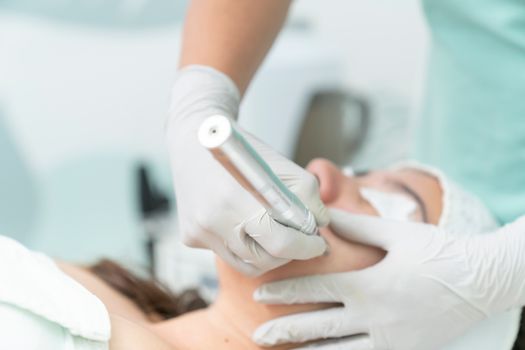
Subcision is designed for more extensive acne scarring. It is a specialized dermatological procedure that treats depressed acne scars by using a small needle to break down fibrous bands of scar tissue that pull the skin down. These bands are what cause the pitting and indentation seen on the surface.
By releasing these bands, the skin can lift and level out, significantly improving the texture and appearance of the affected areas. Subcision is most commonly applied to the face and is particularly effective for rolling scars, boxcar scars, and other types of atrophic acne scarring that cause depressions.
After the fibrous bands are released, the skin is free to remodel and produce fresh collagen, which helps the scar sit closer to the surface. Some providers combine subcision with laser treatments or fillers to maximize the final result. Because subcision is more invasive than a surface treatment, it should be performed by an experienced provider.
Microneedling and RF Microneedling
Microneedling uses fine needles to create controlled micro-injuries in the skin. Those injuries stimulate collagen production, which gradually fills in shallow scars and improves overall texture. Radiofrequency microneedling, such as Intracel RF microneedling, adds heat energy to the deeper layers of the skin for a stronger collagen response.
RF microneedling is a popular choice for patients who want noticeable improvement without the downtime associated with some laser treatments. It can be used on most skin types and is often combined with other treatments like subcision or fillers for more advanced scarring. A series of sessions is usually recommended, since collagen production builds gradually over time.
Fillers for Immediate Smoothing
Fillers offer a different approach to acne scar treatment. Instead of stimulating the skin to repair itself, a filler is injected beneath the scar to lift it up to the level of the surrounding skin. This can deliver an immediate improvement in the appearance of deep, depressed scars.
Fillers are not a permanent fix, since the body gradually absorbs the product over time. However, they can be an excellent option for patients who want fast results or for scars that are too deep to be fully corrected by collagen stimulation alone. Many Denver practices offer filler injections as part of a comprehensive acne scar treatment plan.
Chemical Peels for Surface Texture
Chemical peels work on the surface level of the skin. They exfoliate the outer layers, which helps reduce the appearance of superficial scarring and improves overall skin tone. Chemical peels are rarely enough on their own for deep acne scars, but they can complement laser and microneedling treatments by keeping the skin smooth and clear.
Patients with active acne may also benefit from peels as part of their ongoing skincare routine. A provider can recommend the right peel strength based on your skin type, tolerance, and the degree of textural damage. Multiple peels are typically needed to see meaningful change.
Scar Revision After Injury or Surgery
Acne is not the only cause of facial scarring. Injuries, surgical procedures, and burns can leave scars that patients want to improve. Scar revision in Denver helps patients improve the appearance of scars due to accidents, surgical procedures, or burns. Techniques may include laser treatments, surgical revision, or a combination of approaches, depending on the scar’s location and characteristics.
While scar revision cannot erase a scar completely, it can make it less noticeable by improving color, texture, and contour. The same collagen-stimulating principles used for acne scars often apply to other types of scarring.
What to Expect From Acne Scar Treatment in Denver
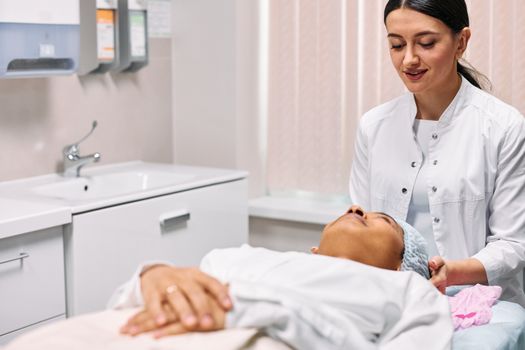
The first step in any acne scar treatment plan is a consultation. During that visit, a board-certified dermatologist will evaluate your scars, review your medical history, and discuss your goals. At Colorado Dermatology Center, care is led by Dr. James M. Swinehart, a board-certified dermatologist with more than three decades of clinical expertise. The practice is known for offering procedures that many practices do not, with an emphasis on personalized care, proven techniques, and natural-looking results.
Several Denver and South Denver practices offer acne scar treatments, including fractional laser resurfacing, Intracel RF microneedling, fillers, subcision, and chemical peels. Some practices also offer minor procedures that can be tailored to individual scar patterns. Because treatment recommendations vary widely, it is worth scheduling a consultation before committing to a specific procedure.
Patients often combine several treatments over the course of a year to achieve their best outcome. The exact number of sessions depends on the depth of the scars, the treatment used, and how your skin responds. Some procedures produce noticeable improvement after one session, while others require a series of treatments spaced several weeks apart. Collagen remodeling continues for months after treatment, so final results are usually assessed after the skin has fully healed.
Frequently Asked Questions
Here are answers to common questions about acne scar treatment in Denver.
Will acne scar treatment completely remove my scars?
Most treatments significantly reduce the appearance of acne scars, but complete removal is not always possible. The goal is usually to improve texture, soften edges, and lift depressed areas so scars blend with the surrounding skin. A dermatologist can give you a realistic expectation during a consultation based on your scar type and the treatment plan recommended for you.
How many sessions will I need?
The number of sessions varies by treatment and scar severity. Some patients see good results after one laser or subcision session, while others need multiple treatments spaced over several months. Collagen production takes time, so results continue to improve after the skin has healed. Your provider will tailor the plan to your specific needs and reassess progress at follow-up visits.
Do acne scar treatments hurt?
Most acne scar treatments are well tolerated. Providers use numbing creams, local anesthesia, or other comfort measures to minimize discomfort during the procedure. After treatment, you may experience redness, swelling, or a sunburn-like sensation, which resolves as the skin heals. Your provider will give you specific aftercare instructions to support recovery and protect your results.
Which treatment is best for my scar type?
There is no single best treatment for everyone. Rolling and boxcar scars often respond well to subcision, while superficial texture issues may improve with microneedling or chemical peels. Fractional laser resurfacing is a versatile option for many scar types. A board-certified dermatologist can examine your scars and recommend the right treatment or combination of treatments for your skin.
 Posted in Uncategorized