Skin Cancer Screening in Denver: What Happens During a Full-Body Exam
 August 4, 2026 |
  Author
Colorado is known for its sunshine and year-round outdoor activities, and that same sunny climate comes with an increased risk for skin cancer. Regular screening makes it possible to find skin cancer early, when it is highly treatable. For anyone in the Denver area, a full-body skin exam is one of the most direct ways to stay ahead of the disease. Knowing what happens during a full-body exam can help you walk into your appointment with confidence.
Why Skin Cancer Screening Matters in Denver
Denver residents spend more time outdoors than people in many other parts of the country. High-altitude sunshine means stronger UV exposure, and year-round recreation keeps skin in the sun during every season. The result is clear: Colorado is known for its sunshine, its year-round outdoor activities, and an increased risk for skin cancer.
That increased risk makes regular screening more than a precaution. When skin cancer is diagnosed and treated early enough, nearly all cases are curable. The more time it takes to identify skin cancer, the harder and more difficult treatment becomes. A routine screening appointment can catch suspicious spots long before they become a larger problem.
Who Should Consider Regular Skin Cancer Screening
Anyone can develop skin cancer, but some people face a higher risk than others. A personal or family history of skin cancer, a large number of moles, a history of sunburns, and years of outdoor activity all raise the odds. The American Academy of Dermatology’s SPOT program is designed to help people find out whether they are at high risk and learn how to monitor changes in their skin. If any of these risk factors apply to you, a full-body exam with a dermatologist is a reasonable next step.
What Happens During a Full-Body Skin Exam
A full-body skin examination is exactly what it sounds like: a head-to-toe check of your skin. If you have never had one, knowing what to expect can make the appointment feel more comfortable.
Scalp to Toes Examination
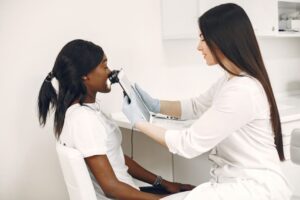
During a full-body skin check, the dermatologist examines your skin from scalp to toes. This includes areas that are easy to overlook, such as the scalp, behind the ears, between the toes, and the backs of the legs. The exam is thorough by design because skin cancer can appear in places that rarely see the sun.
You will be asked to undress to your underwear and wear a medical gown so the dermatologist can see all of your skin. The appointment is clinical and professional, and the goal is simply to check every spot for signs of skin cancer.
Specialized Magnifying Devices
Dermatologists do not rely on the naked eye alone. During a screening, they use specialized magnifying devices to look closely at suspicious spots. A dermatoscope is a handheld tool that allows the doctor to see structures in the skin that are not visible without magnification. This helps the dermatologist tell the difference between a harmless mole and something that needs a closer look.
Photography and Skin Mapping
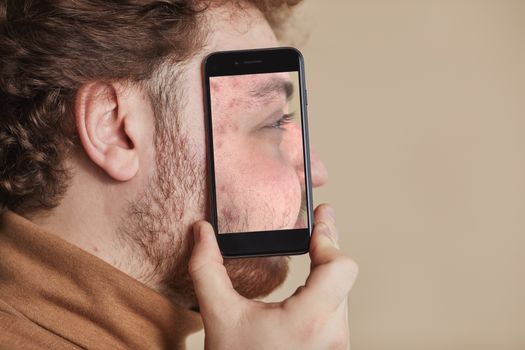
Many practices use medical photography, also called skin mapping, during the screening process. Full-body skin examinations and medical photography are among the most powerful tools in skin cancer detection. The dermatologist takes photos of suspicious spots to document their size, shape, and color. At future appointments, those images can be compared to see whether anything has changed.
Skin mapping is especially useful for people with many moles or a history of sun damage. A visual record makes it easier to spot changes over time, and it gives many patients peace of mind between visits.
How to Prepare for Your Appointment
Preparing for a full-body skin exam is simple, but a few steps can make the screening more effective. The goal is to give the dermatologist a clear view of every area of your skin.
- Skip makeup, nail polish, and heavy lotion so your skin is fully visible.
- Wear your hair loose or pulled back so your scalp and neck can be examined.
- Make a mental list of spots that have changed, itched, bled, or looked different.
- Bring details about your personal and family history of skin cancer.
Tell the dermatologist about any spots that concern you at the start of the appointment. The more the doctor knows about your skin history and sun exposure, the more accurate the screening can be.

How to Perform a Self-Exam Between Screenings
Skin exams do not end when you leave the dermatologist’s office. Checking your own skin between screenings helps you catch changes early. Look for new spots, growths that are changing, or sores that do not heal. Pay attention to moles that look different from the rest or that change in shape and color.
Use a full-length mirror and a hand mirror to check your back, scalp, and other hard-to-see areas. If anything looks different, call a dermatology practice to schedule an exam. Early detection gives you the widest range of treatment options.
Where to Get a Skin Cancer Screening in Denver
Several dermatology practices and community programs in the Denver area offer skin cancer screening. Options include private practices, free community events, and mobile clinics.
Private Dermatology Practices
Denver Dermatology Center provides customized skin cancer screening and treatment. It is located at 1601 E 19th Ave #4450 in Denver and can be reached at 303-830-2900. The practice is open Monday through Friday, and patients should call to confirm current hours.
Alta Vista Dermatology offers skin cancer screening for the Denver and Highlands Ranch areas. Call 303-888-6426 to schedule a consultation.
Cara Mia Dermatology, located in Denver, also provides skin cancer screenings. Its free screenings require a phone call to book at 866-400-3376. They are valid for new patients only and are subject to limited availability at participating locations.
Colorado Dermatology Center, led by board-certified dermatologist Dr. James M. Swinehart, serves the South Denver area. The practice focuses on medical, surgical, and cosmetic dermatology, with special emphasis on skin cancer treatment and MOHS micrographic surgery. The center also offers hair restoration, acne scar repair, and clinical research trials.
Free and Community-Based Screenings
Free skin cancer screenings are available across the state of Colorado through the American Academy of Dermatology’s SPOT me program. The Colorado Cancer Coalition provides an up-to-date listing of free skin cancer checks, with offices at Broadway, Suite 600 in Denver, Colorado 80202. Area dermatologists volunteer their time and expertise for these events.
Intermountain Health hosts an annual SPOT Skin Cancer Screening event at its Red Rocks Medical Center. The event is offered at no cost to participants, and dermatologists volunteer through the American Academy of Dermatology. Anyone interested should confirm scheduling details with the organizer before traveling.
The Sun Bus is a free mobile dermatology clinic that provides free skin screening, sun safety education, and sunscreen products such as EltaMD and Heliocare. Call (303) 876-7664 to find out where the bus is headed next.
What Happens If Your Doctor Finds Something Suspicious
If the dermatologist finds a spot that looks concerning, the next step is usually a biopsy. A biopsy removes a small sample of skin tissue and sends it to a laboratory for analysis. Skin cancer detection in Denver often begins with a skin exam and is confirmed with a biopsy, and many practices perform both in the same office.
Most biopsied spots turn out to be benign. If the results do show skin cancer, early diagnosis keeps treatment options open. Skin cancer comes in several forms, including basal cell carcinoma, squamous cell carcinoma, and melanoma. Depending on the type and stage, treatment may include removal of the lesion, MOHS micrographic surgery, or other procedures. Nearly all cases are curable when they are diagnosed and treated early enough.
Frequently Asked Questions
Can I get a free skin cancer screening in Denver?
Yes. Free skin cancer screenings are available across Colorado through the American Academy of Dermatology’s SPOT me program. The Sun Bus also provides free mobile screenings with sun safety education and sunscreen products. Some private practices, including Cara Mia Dermatology, offer free screenings for new patients, subject to availability. Calling ahead is required to confirm scheduling and eligibility.
How much does a skin cancer screening cost?
Costs vary by practice and insurance coverage. Some screening options in Denver are free, including AAD-hosted events, The Sun Bus, and new-patient promotions at participating clinics. Most dermatology practices accept insurance for medical skin exams. To get an accurate cost estimate, contact the specific practice directly and ask about pricing, insurance, and any available free screening programs.
What should I expect during a full-body skin exam?
A full-body skin check covers your skin from scalp to toes. The dermatologist will inspect your scalp, ears, back, legs, and other areas using specialized magnifying devices. Suspicious spots may be photographed for your medical record. The exam is generally quick, and you will be given a gown for the appointment. Tell the doctor about any spots that have changed or concern you.
How often should I get a skin cancer screening?
The right screening schedule depends on your personal risk. People with a history of skin cancer, many moles, or significant sun exposure may need more frequent exams. Others may only need an annual check. Your dermatologist can recommend a schedule based on your skin type, family history, and sun exposure. Regular self-exams between visits are also useful for noticing changes early.
 Posted in Uncategorized