MOHS Surgery Denver: How Micrographic Removal Works
 September 19, 2026 |
  Author
Mohs micrographic surgery is a highly specialized treatment for the removal of skin cancer, and it works differently from almost any other cancer operation. The same physician serves as surgeon, pathologist, and reconstructive surgeon during a single visit, which is why the procedure has earned a reputation as the most precise way to clear certain tumors. The technique is named in honor of Dr. Frederic Mohs, and it is performed in the office using local anesthesia rather than in a hospital operating room.
For patients in Denver searching for a Mohs surgeon, the appeal is easy to understand. The procedure yields the highest cure rate of all skin cancer treatments, with cure rates approaching 99% for tumors that have not previously been treated. Just as important, it spares healthy tissue in a way that standard excision cannot, which matters a great deal when the cancer sits on the nose, eyelid, ear, lip, or another visible part of the face.
What Makes Mohs Surgery Different From Standard Excision
A traditional excision removes the visible tumor along with a margin of normal skin, and the tissue is sent to a pathology lab for review. Results often come back days later. If the margins are not clear, the patient returns for a second procedure.
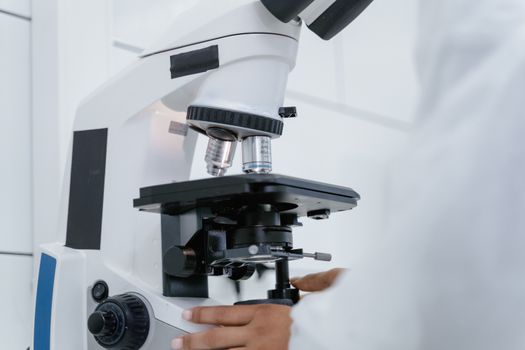
Mohs surgery compresses that cycle into one appointment. The surgeon removes the cancer, examines 100% of the tissue edges under a microscope while the patient waits, and knows immediately whether any cancer remains. If it does, another thin layer is taken from only the precise area where tumor cells were found. Nothing is guessed, and nothing is removed simply for safety margin.
- The physician acts as surgeon, pathologist, and reconstructive surgeon in one sitting.
- The procedure is performed in the office using local anesthesia.
- The removal of healthy skin is minimized compared with other skin cancer treatments.
- Cure rates approach 99% for tumors that have not previously been treated.
How Micrographic Skin Cancer Removal Works, Step by Step
The procedure relies on the precision and accuracy of examining tissue under a microscope to trace and ensure removal of the skin cancer, which may have roots that extend beyond what is visible to the naked eye. Here is how that plays out during a typical Mohs visit.
- Consultation and biopsy review. Your surgeon confirms the diagnosis and reviews the pathology report, the tumor’s location, and its size before scheduling the procedure itself.
- Mapping the tumor. On the day of surgery, the visible cancer and a small surrounding area are marked and mapped so the tissue can be oriented accurately once it leaves the body.
- First stage removal. The area is numbed with local anesthesia, and the visible tumor plus a thin layer of surrounding tissue is removed.
- Tissue processing. The specimen is flattened, frozen, sectioned, and stained so the entire outer edge can be viewed at once rather than sampled in random slices.
- Microscopic review. The surgeon reads the slides personally and marks on the map exactly where cancer cells remain, if any do.
- Additional stages if needed. When cancer is still present, another thin layer is removed only from the mapped area, and the review repeats until the margins are clear.
- Reconstruction. Once the cancer is fully removed, the surgeon closes the wound, which may involve a simple closure, a flap, or a graft depending on the size and location.
Why the Microscope Step Carries So Much Weight
Skin cancers can send out microscopic extensions that are invisible to the naked eye. Those extensions are the reason some tumors recur after an apparently complete removal. By examining the entire perimeter of each removed layer, Mohs surgery finds those roots while the patient is still in the chair, which is what allows the surgeon to be confident the cancer is gone before the wound is closed.
Reconstruction Is Part of the Procedure, Not an Afterthought
Because the surgeon who removed the cancer also understands exactly how deep and wide the defect is, reconstruction can be planned around both function and appearance. Denver Mohs practices commonly perform reconstructive surgery on the chin, forehead, and nose, areas where a poorly planned closure would be noticeable and where tissue movement and skin tension need careful handling.
Cure Rates and Why Mohs Is Not Used for Every Tumor
Mohs surgery exists in a category of its own when it comes to cure rates. For tumors that have not previously been treated, cure rates approach 99%. That figure is the reason the technique is often reserved for cancers in high-risk locations, cancers that have returned after earlier treatment, tumors with aggressive growth patterns, and cancers where the amount of healthy tissue removed matters a great deal.
Not every skin cancer requires Mohs surgery, though. A small, superficial cancer on the back or shoulder may be managed perfectly well with another approach. The right choice depends on the tumor type, its size and depth, its location, whether it has been treated before, and your own health history. A board-certified dermatologist is the right person to make that call, and a referral to a Mohs surgeon does not automatically mean you need the most complex option.
Who Performs Mohs Surgery in Denver
Mohs micrographic surgery requires training beyond a dermatology residency. Mohs surgeons complete a dedicated fellowship program, which typically runs about a year, focused on the technique itself plus the pathology reading and reconstructive skills that go with it. When you look for a provider in the Denver area, that fellowship training and board certification are the credentials worth checking first.
Denver has a substantial pool of Mohs providers across the metro, from Cherry Creek and central Denver to Aurora, where hospital-based dermatology departments also offer the procedure. Colorado Dermatology Center has served the region for more than three decades under board-certified dermatologist Dr. James M. Swinehart, with Mohs surgery offered as part of its skin cancer services. The Denver and Longmont office can be reached at (303) 761-0906.
What Recovery Looks Like After Mohs Surgery
Most patients leave the office the same day with the wound closed and written instructions in hand. Because the procedure uses local anesthesia only, there is no general anesthetic to recover from. The first days are usually about keeping the site clean, protecting the repair, and managing soreness, and your surgeon’s team will tell you exactly how to care for your specific closure.
Scarring is a normal part of any procedure that removes skin, and Mohs surgery does not change that. What it does change is how much tissue is taken and how carefully the closure can be designed. Patients are typically advised to avoid strenuous activity and sun exposure on the healing site for a period determined by the surgeon, and follow-up visits are used to confirm healing and check for new skin cancers elsewhere.

Questions to Ask Before Booking a Mohs Appointment in Denver
A short list of questions will tell you a great deal about how a practice operates and whether it fits your situation.
- Is the surgeon board certified, and did they complete a Mohs fellowship?
- Who reads the pathology slides, and is the tissue processed on site?
- Who performs reconstruction if my wound needs a flap or graft?
- How long should I expect to be at the office on the day of surgery?
- What does my insurance cover, and what will I be responsible for?
Coverage details vary by plan, so confirm them directly with the practice and your insurer rather than relying on a directory listing or an online summary. For patients comparing providers, it also helps to ask how many stages a typical case requires at that office and whether the surgeon handles the reconstruction personally.
Frequently Asked Questions
Is Mohs surgery painful?
The area is numbed with local anesthesia before any tissue is removed, so most patients feel pressure or movement rather than sharp pain during the stages. Once the numbing wears off, soreness at the site is normal and manageable with standard post-procedure care. Your surgeon will give you specific instructions for pain control, dressing changes, and activity limits based on the size and location of your repair.
How do I choose a Mohs surgeon in Denver?
Start with credentials. Look for a board-certified dermatologist who completed a dedicated Mohs fellowship, since that training covers both the surgery and the microscope work. Then ask practical questions about on-site tissue processing, who performs reconstruction, and how your insurance applies. Denver has providers across Cherry Creek, central Denver, and Aurora, so you have options and can compare before you book.
Will I have a scar after Mohs surgery?
Any procedure that removes skin leaves a scar, and Mohs surgery is no exception. The advantage is that the removal of healthy skin is minimized and the surgeon who clears the cancer also plans the closure, which supports the best possible cosmetic result. Reconstruction on visible areas such as the nose, forehead, and chin is planned around how the scar will mature over the following months.
Can Mohs surgery treat any type of skin cancer?
Mohs surgery is a highly specialized treatment for the removal of skin cancer, and it delivers the highest cure rate of all skin cancer treatments, approaching 99% for tumors that have not previously been treated. Even so, not every skin cancer needs it. Small, low-risk tumors may be handled with another method after your dermatologist weighs the tumor type, location, size, and history.
If you have been told you need Mohs surgery in Denver, the most useful next step is a direct conversation about your specific tumor. Ask who will read your slides, ask who will close the wound, and ask what your recovery will realistically involve. Those three answers will tell you more about your care than any ranking or directory list, and they put you in a much better position to move forward with confidence.
 Posted in Procedures