Case Studies
Dermatology in Denver: Medical, Surgical, and Cosmetic Care
 October 21, 2026 |
  Author
 Skin problems do not sort themselves neatly into categories. A stubborn rash, a changing mole, a scar left behind by teenage acne, and thinning hair can all lead someone to search for a dermatologist in Denver who can sort out what is happening and what to do about it. Dermatology covers a wide range, and many clinics handle all three of its main areas under one roof. Medical visits treat disease and inflammation. Surgical visits remove skin cancers and other growths. Cosmetic visits address appearance, texture, and hair. Knowing which type of appointment matches your concern makes it easier to pick a practice and prepares you for the conversation at the visit.
The Three Branches of Dermatology
Board-certified dermatologists are trained in medical, surgical, and cosmetic care, and most practices in the Denver metro area advertise some mix of all three. The overlap matters because the same skin can have more than one problem at once. Someone booking a cosmetic consultation for sun damage may leave with a recommendation to have a suspicious spot biopsied first. Someone seeing a dermatologist for eczema may also ask about fillers or laser resurfacing during the same visit. A practice that treats the full range can move between those concerns without sending you somewhere else.
The categories are still useful for setting expectations. Each one uses different tools, follows a different schedule, and is usually billed in a different way.
Medical Dermatology: Treating Skin Disease
Medical dermatology is the diagnosis and treatment of conditions affecting the skin, hair, and nails. It is the most common reason people book a dermatology appointment, and much of the work is chronic rather than one-time. Practices across Colorado routinely treat acne, rosacea, eczema, and psoriasis, along with skin cancer screening and detection. Those four conditions alone account for a large share of daily visits.
Treatment for chronic skin disease usually follows a stepwise pattern. A first visit typically involves a history, a visual exam, and sometimes a biopsy or patch test. From there, a plan might start with topical therapy, move to oral medication, and add light-based treatment if the condition does not respond. Follow-up visits track progress and adjust the plan. Because these conditions tend to flare and settle rather than disappear, the relationship with a dermatologist often lasts years rather than weeks.
Medical dermatology also handles the less visible work: hair loss evaluation, nail disorders, skin infections, pigment problems, and reactions to medications. Many of these require a careful look at the whole picture, including medications, family history, and other health conditions.
Surgical Dermatology and Skin Cancer Care
Denver sits in a state with plenty of sunshine and outdoor activity, and skin cancer detection and treatment form a major part of dermatology practice in the region. Surgical dermatology covers biopsies, removal of benign growths and cysts, and excision of skin cancers, including basal cell carcinoma, squamous cell carcinoma, and melanoma.
What MOHS Surgery Involves
MOHS micrographic surgery is a specialized technique for removing certain skin cancers, particularly on the face and other areas where preserving healthy tissue matters. The surgeon removes a thin layer of tissue, examines it under a microscope during the same visit, and maps exactly where cancer cells remain. If any are present, another layer is taken from that specific spot only. The process repeats until the margins are clear. Because the surgeon checks each layer before removing more, MOHS can spare tissue that a standard excision might take, and it is often completed in a single day.
Not every skin cancer needs MOHS. Smaller, low-risk lesions are frequently handled with simpler excision or other techniques. The choice depends on the tumor type, its size and location, and whether it has come back after earlier treatment. A dermatologist can explain which approach fits a specific diagnosis.
Cosmetic Dermatology: Appearance, Texture, and Confidence
Cosmetic dermatology addresses how skin looks rather than how it functions, though the two are often linked. Denver-area practices offer a broad menu that commonly includes injectables such as Botox and dermal fillers, laser and light treatments, chemical peels, and body contouring. Facial rejuvenation is one of the most requested categories, and much of it focuses on sun damage, uneven tone, fine lines, and lost volume.
The results people tend to value most are the ones that look natural. That usually means a conservative starting point, a plan built over several visits, and honest expectations about what a treatment can and cannot change. Set against that, cosmetic care is elective. It is reasonable to ask about downtime, how many sessions a result requires, and what happens if you stop.
Acne Scar Revision and Hair Restoration
Two areas sit between medical and cosmetic care and are worth calling out separately. Acne scar revision treats the textural changes left after acne has cleared, using techniques aimed at the depressed or uneven scars themselves rather than active breakouts. Hair restoration addresses thinning and hair loss, and can involve medical therapy, surgical approaches, or a combination. Both are areas where some practices specialize and others do not, so it helps to ask directly about experience and the specific techniques a clinic offers.
Body contouring is another procedure type that varies widely by practice. Tumescent liposuction, for example, is not offered at every dermatology clinic, so patients seeking it should confirm availability and credentials before booking a consultation.
Comparing the Three Types of Care
| Type of care | Typical focus | Usual reason for the visit |
|---|---|---|
| Medical dermatology | Diagnosing and treating skin, hair, and nail conditions | Acne, rosacea, eczema, psoriasis, rashes, hair loss |
| Surgical dermatology | Removing tissue, from biopsies to skin cancer surgery | Suspicious spots, skin cancer, cysts, benign growths |
| Cosmetic dermatology | Improving appearance, texture, tone, and volume | Sun damage, scarring, fine lines, body contouring |
The lines blur in practice. A skin cancer surgeon may also perform cosmetic reconstruction. A cosmetic visit may uncover a lesion that needs medical attention. That flexibility is one reason to look at a practice’s full scope rather than a single service page.
Clinical Research and Access to Newer Options
Some dermatology practices in Denver take part in clinical research trials, which study new treatments for skin conditions before they become widely available. For patients, participation can mean access to an investigational therapy, often at no cost, along with closer monitoring than a standard visit provides. Trials have eligibility rules, and participation is voluntary. Anyone considering one should ask what phase the study is in, what the visits involve, and how side effects are tracked.
Choosing a Dermatologist in Denver
The Denver metro area has a large supply of dermatology practices, spread from the central city out through Lakewood, Englewood, Lone Tree, Aurora, and the northern suburbs. That gives patients real choice, and a few practical filters narrow it quickly.
- Confirm board certification and check whether the dermatologist’s focus matches your concern. Skin cancer surgery, hair restoration, and acne scar revision are not identical skill sets.
- Ask whether the practice handles your specific procedure in house or refers it out.
- Check insurance participation before booking. Coverage rules vary by practice, and some clinics operate outside insurance networks entirely.
- Look at wait times. A practice that books months out may not suit an urgent spot that needs a prompt look.
- Local directories, including the doctor listings published by 5280 Magazine, can help you build a shortlist of names to research further.
Colorado Dermatology Center, the South Denver practice led by board-certified dermatologist Dr. James M. Swinehart, is one example of a clinic that combines medical, surgical, and cosmetic care with more than three decades of clinical experience and an active research program. Patients can reach the office at (303) 744-1202 to discuss scheduling. Verify current hours, insurance participation, and service availability directly with any office before making plans, since those details change.
Getting Ready for a Dermatology Visit
A little preparation makes an appointment more productive. Bring a list of medications and supplements, note when a symptom started and what makes it better or worse, and bring any products you use on your skin. Photographs of a rash that comes and goes can be more useful than a description. If you are concerned about a specific spot, avoid covering it with makeup on the day of the visit, and mention any personal or family history of skin cancer.
For cosmetic appointments, arrive without heavy makeup if a treatment is planned, and be ready to talk about budget, downtime, and what you hope to change. A good consultation includes as much listening as advising, and it should include a plain answer about what the treatment will not do.
Frequently Asked Questions
What is the difference between medical and cosmetic dermatology?
Medical dermatology treats disease and symptoms such as acne, eczema, psoriasis, and skin cancer. Cosmetic dermatology focuses on appearance, texture, tone, and volume. Both use overlapping tools and expertise, and many board-certified dermatologists practice both. Insurance generally covers medical care when it is medically necessary, while cosmetic treatments are usually paid out of pocket. Ask the office how a specific service will be billed.
Do I need a referral to see a dermatologist in Denver?
Requirements depend on your insurance plan and the individual practice. Some plans allow direct scheduling with a specialist, while others require a primary care referral before the visit is covered. Call both your insurer and the dermatology office before booking to confirm. Front desk staff can usually tell you quickly what documentation they need and whether your plan is accepted.
How do I know if a mole should be checked?
Any mole that is new, changing in size, shape, or color, itching, or bleeding deserves a professional look. So does a sore that will not heal. Most spots turn out to be harmless, but early evaluation of skin cancer makes treatment simpler. Photographing a spot periodically can help you notice gradual change between visits.
What is MOHS surgery used for?
MOHS micrographic surgery removes certain skin cancers one thin layer at a time, with each layer checked under a microscope during the visit. It is often chosen for cancers on the face or other areas where conserving healthy tissue matters, and for tumors that have returned after earlier treatment. Your dermatologist can explain whether MOHS or another approach fits your diagnosis.
Does insurance cover cosmetic dermatology?
Cosmetic procedures are typically not covered because they are elective rather than medically necessary. That includes most injectables, laser resurfacing for appearance, and body contouring. Medical visits for a diagnosed condition are handled differently. Because plans and practices vary, confirm coverage and payment options with the office and your insurer before scheduling a cosmetic consultation.
Dermatology in Denver spans a wide range of care, and the right starting point depends on what your skin is doing right now. A medical concern, a spot that needs checking, and a cosmetic goal can each lead to different conversations, and sometimes to the same clinic. What matters most is choosing a board-certified dermatologist whose focus matches your concern, confirming insurance and scheduling details in advance, and asking direct questions about what a treatment can realistically achieve.
 Posted in
Botox and Fillers in Denver: Facial Beautification Without Surgery
Facial beautification no longer requires a trip to the operating room. In Denver, Botox and dermal fillers are among the most accessible cosmetic procedures available, offered everywhere from boutique clinics to neighborhood medical spas. For patients who want to soften expression lines, add lip definition, or refresh facial contours, injectables provide visible changes without the longer recovery period associated with surgery. The appeal is easy to understand: a quick appointment, product options matched to the individual, and results that can last for months.
Why Patients Choose Nonsurgical Facial Rejuvenation
Denver patients are drawn to injectables because the treatments fit into a busy lifestyle. Rejuvenate MedSpa Denver notes that Botox takes just minutes to perform, yet the skin can maintain a more youthful appearance for months afterward. That balance of speed and longevity makes injectables an attractive option for people who want a refreshed look without committing to a surgical procedure or an extended recovery.
The local injectables market is also remarkably diverse. Patients can book appointments at a medical spa such as The Luxe Room, a natural-results practice like Cheeky Denver, a boutique injectable clinic such as Simply Injectables, an aesthetic wellness center like GATTONI Medical Aesthetics & Wellness, or even a dental office. Sloan’s Lake Dental in Denver, for example, offers Botox and dermal fillers to give patients a fresher, more youthful smile. With this range of practice styles, almost anyone can find a setting that feels right.
What Denver Clinics Offer for Facial Beautification
Clinics across Denver organize their injectable menus around a few core categories. Most practices carry a neuromodulator option, one or more dermal filler families, and some form of lip or facial volumizing treatment. The specific array of brands depends on the practice, but common names appear consistently across Service menus.
Botox and Other Neuromodulator Options
Botox is the best-known injectable for smoothing facial lines, but Denver’s clinics often carry additional neuromodulator brands. GATTONI Medical Aesthetics & Wellness lists Botox, Dysport, Xeomin, Letybo, and Daxxify among its services. Happy Clinic Denver focuses on Dysport and Botox and has advertised a Botox and Dysport offer as low as $9 per unit. Having several product choices gives patients flexibility to discuss preferences with a provider rather than accepting a one-size-fits-all recommendation.
Dermal Fillers, Lip Fillers, and Facial Balancing
Dermal fillers address volume loss and enhance facial structure, and Denver practices typically stock more than one product family. Restylane and Juvederm appear frequently, and GATTONI Medical Aesthetics & Wellness includes both alongside Sculptra and lip fillers. Cheeky Denver specifically includes lip filler in its treatment menu, while The Luxe Room offers lip filler as part of a broader injectables program. The goal, as Cheeky Denver describes it, is to enhance facial features with intention and artistry rather than simply adding volume for its own sake.
From Kybella to Sculptra: A Broader Injectable Menu
Some Denver clinics go beyond the standard Botox and filler mix. Simply Injectables, a boutique injectable clinic in the city, provides Botox, dermal fillers, Kybella, and Sculptra under one roof. A practice that carries several product categories, rather than just one or two brands, can tailor a treatment plan more precisely to an individual face. Patients with specific aesthetic concerns benefit from asking which injectables the clinic believes will best match their anatomy and expectations.
Skin Treatments That Complement Injectables
Injectable care often works well alongside other nonsurgical services. The Luxe Room offers microneedling, hydraFacials, and laser treatments in addition to Botox and fillers, giving patients a single destination for skin texture and tone concerns. Cheeky Denver pairs Botox and filler with medical-grade skincare. Combining injectables with supportive skin treatments can help patients achieve a more polished overall result.
Denver’s Practice Styles: From Med Spas to Boutique Clinics
Not all Denver injectable practices look the same. Some present a natural-results philosophy, while others emphasize the technical range of their product menus. Simply Injectables describes itself as Denver’s most personal injectable experience, promising natural results at a price that makes sense. The Luxe Room markets bespoke cosmetic injectables and proprietary treatment techniques. Knowing what each practice emphasizes can help patients choose a clinic whose approach aligns with their own preferences.
| Practice | Practice Style | Highlights |
|---|---|---|
| Cheeky Denver | Medical spa | Natural results focus; Botox, filler, and medical-grade skincare; located in the Sloan’s Lake neighborhood |
| The Luxe Room | Medical spa | Serves Denver, Fort Collins, and Boulder; injectables plus microneedling, hydraFacials, and laser treatments |
| Simply Injectables | Boutique injectable clinic | Botox, dermal fillers, Kybella, and Sculptra; personal service approach |
| Happy Clinic Denver | Aesthetic clinic | Affordable nonsurgical treatments; Dysport and Botox promotions advertised from $9 per unit |
| GATTONI Medical Aesthetics & Wellness | Aesthetic wellness center | Broad product menu including Daxxify, Letybo, Restylane, Juvederm, and Sculptra |
| Rejuvenate MedSpa Denver | Medical spa | Quick Botox appointments with results lasting months |
| Sloan’s Lake Dental | Dental practice | Botox and dermal fillers offered to create a fresher, youthful smile |
Convenience also plays a role in the decision. Cheeky Denver is located in the Sloan’s Lake neighborhood and serves patients from LoHi, the Highlands, Downtown, Wheatridge, Arvada, and Boulder. The Luxe Room extends its services to Fort Collins and Boulder, giving patients in those cities an alternative to a Denver commute. A practice that is close to home or work makes ongoing maintenance easier to sustain.
What to Look for in a Denver Injectables Provider
Injectable results depend heavily on the skill and judgment of the person holding the syringe. A brand name alone does not guarantee a natural outcome, so patients should evaluate a practice before booking. The following points are a good starting place during a search for a Botox or filler provider in Denver.
- Look for a clinic with a clear aesthetic philosophy, such as the facial balancing and natural results approach that Cheeky Denver emphasizes.
- Ask how many product brands the practice offers. A longer menu often means the injector can adapt to different faces and goals.
- Review before-and-after photos and patient feedback. Consumer directories for the Denver area show practices like Simply Injectables and Adore Aesthetix with substantial review histories.
- Consider the practice setting. Medical spas, boutique clinics, and aesthetic wellness centers each create a different experience, and all exist in Denver.
- Confirm who will perform the injection and what credentials that person holds before scheduling treatment.
Because injectable treatment is personalized, some patients choose to book consultations at two or three clinics before deciding. Comparing recommendations, product options, and conversation style can make the difference between a generic result and one that looks intentional. The extra research is worth the effort for a treatment that appears on the face.
Quick Appointments and Results That Last
One reason Botox and fillers have become routine for many Denver patients is the minimal time commitment. Rejuvenate MedSpa Denver reports that Botox takes only minutes to perform, while results can persist for months. Many other Denver practices describe injectables as low-interruption procedures that can be completed during a short visit. Patients should still allow time for a consultation and for the injector to assess facial movement and volume before treatment begins.
Denver’s injectables community has grown large enough to include professional training programs as well. A facial aesthetics training organization offers certification courses in Botox, dermal fillers, and PDO threads at a Denver location. For patients, that training presence reflects a competitive market with many providers, which reinforces the importance of checking each injector’s experience and credentials rather than assuming every clinic delivers the same standard of care.
Making Injectables Part of a Broader Skin Care Plan
Botox and fillers are powerful tools, but they work best within a complete approach to skin health. Patients who already see a dermatologist for medical or surgical skin care can discuss facial rejuvenation during the same visit. Colorado Dermatology Center, a South Denver practice led by board-certified dermatologist Dr. James M. Swinehart, combines medical, surgical, and cosmetic dermatology, with more than three decades of clinical experience. The practice is known for offering procedures many other offices do not, including acne scar revision and facial rejuvenation, and it emphasizes personalized care and natural-looking results.
A board-certified dermatologist brings deep knowledge of facial anatomy and skin health to the injectable conversation. That perspective can be especially valuable for patients who want to coordinate cosmetic injectables with treatment for other skin concerns. No matter which practice a patient selects, the most successful outcomes come from clear communication about goals, honest discussion of product options, and a provider who prioritizes natural-looking change.
Frequently Asked Questions
What kinds of practices offer Botox and fillers in Denver?
Denver patients can choose from several practice styles. Medical spas such as The Luxe Room and Rejuvenate MedSpa Denver offer injectables alongside broader aesthetic services. Cheeky Denver is a medical spa focused on Botox, filler, and medical-grade skincare in the Sloan’s Lake neighborhood. Simply Injectables is a boutique injectable clinic, GATTONI Medical Aesthetics & Wellness is an aesthetic wellness center, and Sloan’s Lake Dental offers Botox and dermal fillers in a dental setting.
Which injectable brands are available in Denver?
In addition to Botox, Denver clinics offer Dysport, Xeomin, Letybo, and Daxxify. Filler menus commonly include Restylane, Juvederm, and Sculptra, with lip fillers offered by many practices. Some clinics also provide Kybella. Product availability changes by practice, so patients should confirm which brands a clinic carries and why the injector recommends a particular product for their needs.
How long does a Botox appointment take?
Rejuvenate MedSpa Denver describes Botox as a treatment that takes just minutes to perform, with results that can last for months. Many Denver medical spas present injectables as low-interruption procedures that fit into a normal day. A full consultation is usually part of the visit, so patients should plan for a little more time than the injection itself requires. The treatment plan determines how many units are used.
Is Denver a good market for patients seeking injectable treatments?
Yes. The city is home to medical spas, boutique injectable clinics, aesthetic wellness centers, and dental offices offering Botox and dermal fillers. Some clinics advertise promotional pricing, and the area even hosts professional injectables training programs, reflecting a large aesthetic medicine community. With so many choices, patients can take time to compare practice styles, product offerings, and injector credentials before making a decision.

Sclerotherapy for Leg Veins in Denver: What to Expect
Spider veins and varicose veins are among the most common reasons people schedule vein care in Denver. These visible leg veins can show up as fine red, purple, or blue webs, or as twisted, enlarged vessels that feel sore by the end of the day. Sclerotherapy treats both problem types with targeted injections, helping veins fade and letting the legs return to a smoother, clearer appearance. Because the procedure is minimally invasive and takes place in a doctor’s office, it offers a practical option for men and women who want results without surgery.
Spider Veins and Varicose Veins: What They Are
Spider veins are the delicate, web-like vessels that form close to the surface of the skin. They appear as red, purple, or blue lines and are often the first sign of vein trouble in the legs. The condition develops when leaks occur between the deep and superficial veins of the legs. Those leaks can develop from old injuries or from bad valves that allow the high pressure from the deep veins to reach the skin. This pattern is most common on the lateral and inner thighs, and it occurs in both men and women.
Varicose veins are a related but more pronounced concern. They are twisted, enlarged veins located close to the surface of the skin, and they most commonly develop in the legs and around the ankles, where blood circulation may be compromised. While spider veins are often a cosmetic issue, varicose veins can also cause leg pain, swelling, and feelings of heaviness. For that reason, vein specialists in Denver evaluate both the appearance of the veins and the symptoms they cause before recommending a treatment plan.
Treating varicose veins can do more than improve how they look. Vein care programs in the Denver area, including hospital-based centers such as the Denver Health Laser and Vein Care Center, focus on treating varicose veins in order to improve their appearance, lessen pain, and help reduce the risk of complications tied to poorly functioning leg veins. A thorough evaluation helps determine whether sclerotherapy or another approach is the best fit.
How Sclerotherapy Works for Leg Veins
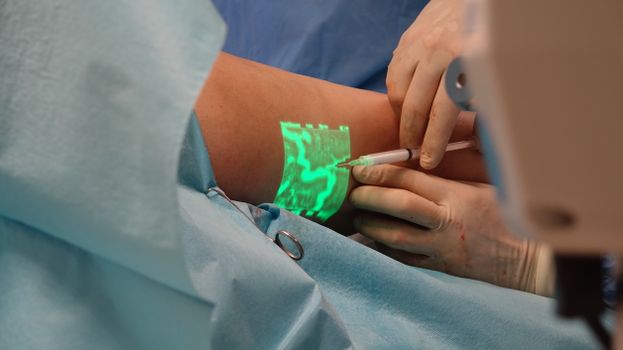
Sclerotherapy is a dedicated vein treatment that eliminates the appearance of unsightly spider veins and smaller varicose veins. During the procedure, a fine needle is used to inject a sclerosant solution directly into the blood vessel. Denver-area practices commonly use solutions such as Sotradecol or Asclera for this purpose. The entire process is designed to be efficient and highly effective for the smaller varicose and spider veins that appear close to the skin.
The injected solution causes the lining of the vein to swell and stick together, and it causes the blood inside the vessel to clot. Once the walls of the vein seal shut, the treated blood vessel fades away over time. Because the body reabsorbs the closed vessel, the visible vein gradually becomes less noticeable, and the surrounding leg develops a cleaner look.
For larger, painful varicose veins, Denver vein specialists often turn to a modified form of treatment called foam sclerotherapy. In this approach, the sclerosant is prepared as a foam that can fill a broader portion of the vessel. Foam sclerotherapy is considered the treatment of choice for these bigger vessels, and in many cases a single treatment can cause the bothersome vein to close. The physician will decide whether standard liquid sclerotherapy or foam sclerotherapy is more appropriate based on the size and condition of the vein.
What Happens During a Sclerotherapy Appointment
Sclerotherapy is performed in the doctor’s office by one of the practice’s physicians. No hospital stay is required, and the treatment is considered minimally invasive. The doctor targets the visible spider veins or small varicose veins and passes a very fine needle into each vessel. The solution is injected directly into the vein, and the patient remains in a comfortable, relaxed position throughout the session.
Denver vein specialists who offer these services describe sclerotherapy as a fast and pain-free treatment that gets patients back on their feet quickly. That makes it an attractive option for people who have postponed vein care because of time constraints or concerns about recovery. The fine needle used during the procedure helps keep discomfort low, and the office setting makes the experience more convenient than a traditional surgical procedure.
Several Denver vein centers advertise insurance-covered treatment options for patients dealing with leg pain, swelling, or visible veins. Because sclerotherapy is often performed for cosmetic purposes, the way a treatment is classified can affect coverage. A practice that provides both dermatologic and vein care can review your symptoms, explain the options, and clarify whether the recommended treatment is considered cosmetic or medically necessary before you schedule.
Why People Choose Sclerotherapy in Denver
Some people feel embarrassed by the appearance of their legs because of web-like red, purple, and blue spider veins. The emotional relief that comes from clearing those visible vessels is one of the most common reasons patients pursue sclerotherapy. The procedure is frequently done for cosmetic purposes to improve the appearance of varicose and spider veins, and it is well suited to the smaller vessels that laser treatments may not address as directly.
There are also medical reasons to consider vein treatment. Leg pain, swelling, and visible veins can interfere with daily comfort, and Denver vein specialists offer treatments aimed at getting patients back to their normal routine without prolonged downtime. Treating varicose veins can reduce pain, improve how the legs look, and help lower the risk of complications related to circulation problems. Because the condition appears in both men and women, sclerotherapy appeals to a wide range of patients who want healthier-looking legs.
How to Choose a Leg Vein Provider in Denver
Denver has a broad range of vein care options, from dermatology practices to dedicated vein clinics and vascular surgery groups. Some practices, such as the Vein Care Institute, focus on non-surgical diagnosis and treatment of varicose veins and spider veins. Hospital-based programs like the Denver Health Laser and Vein Care Center provide vein care alongside other medical services, and vascular surgery groups in the greater Denver area bring board-certified specialists to more complex cases. This variety means patients can usually find a provider that matches their comfort level and treatment goals.
Credentials matter when choosing a provider for leg vein sclerotherapy in Denver. The procedure should be performed by a physician with experience in vein care, whether that physician is a dermatologist or a vascular specialist. Colorado Dermatology Center, for example, is led by board-certified dermatologist Dr. James M. Swinehart, who combines more than three decades of clinical expertise with medical, surgical, and cosmetic dermatology care for patients in the South Denver area. The practice emphasizes personalized care, proven techniques, and natural-looking results.
Before committing to a vein treatment plan, schedule a consultation and ask specific questions. Find out whether the practice offers sclerotherapy, whether foam sclerotherapy is available for larger veins, and which sclerosant solutions the physician prefers. Ask how the practitioner determines which leg veins are contributing to your symptoms and whether the treatment is considered cosmetic or medically necessary. A clear conversation about your goals and your vein history helps ensure that the approach is tailored to your legs rather than a one-size-fits-all plan.
Frequently Asked Questions
Is sclerotherapy for leg veins performed in a hospital?
No. Sclerotherapy is performed in the doctor’s office by one of the practice’s physicians. A solution is injected through a very fine needle directly into the vein, which makes the treatment minimally invasive and eliminates the need for an operating room. Patients can have the procedure done during a regular office visit and avoid the added time and preparation that come with a hospital-based surgery.
Can sclerotherapy treat both spider veins and varicose veins?
Yes. Sclerotherapy is an efficient and highly effective treatment for smaller varicose veins and spider veins. For larger, painful varicose veins, Denver vein specialists often recommend foam sclerotherapy, which is considered the treatment of choice for those bigger vessels. In many cases, a single foam treatment can cause bothersome veins to close, although the exact number of sessions depends on the size and response of the veins being treated.
Are sclerotherapy treatments in Denver covered by insurance?
Many Denver vein centers offer insurance-covered treatments for patients dealing with leg pain, swelling, or visible veins that are tied to vein problems. Sclerotherapy is also frequently performed for cosmetic purposes, so coverage often depends on how the procedure is classified. Before scheduling, ask the practice whether your planned treatment is considered medically necessary or cosmetic and confirm what your insurance plan will cover.
Do men develop spider veins and varicose veins?
Yes. Spider veins occur in both men and women, and they are most common on the lateral and inner thighs. The visible vessels form when leaks develop between the deep and superficial veins of the legs, often because of old injuries or bad valves that allow high pressure to reach the skin. Varicose veins also develop in men, particularly in the legs and around the ankles, so vein evaluation is relevant for anyone with visible veins or leg discomfort.
Female Hair Loss Treatment: Options That Work
Hair loss in women is far more common than many people assume, and the treatment options available today have expanded considerably. Women can choose from over-the-counter products such as minoxidil, prescription medications such as spironolactone and finasteride, and in some cases, surgical procedures. The right plan depends on the underlying cause of the hair loss, the duration of the thinning, and how the scalp responds to treatment.
Because female hair loss has many possible triggers, a thorough evaluation by a dermatologist is an important first step. A dermatologist can determine whether the hair loss represents female pattern hair loss, a side effect of a medication, a response to a medical treatment, or damage caused by styling habits. With an accurate diagnosis, a treatment plan can be built around the cause rather than guesswork.
Women often feel that hair loss is something they have to accept, but that is no longer the case. With the range of effective treatments available, most women can find a strategy that stabilizes thinning and, in many cases, restores density. The key is matching the treatment to the type of hair loss and staying consistent with it over time.
Understanding Female Pattern Hair Loss
Female pattern hair loss is one of the most common reasons women seek help for thinning hair. Unlike male pattern baldness, it usually produces diffuse thinning over the top of the scalp while the front hairline remains relatively intact, although the exact pattern can vary from woman to woman. The condition is influenced by hormones and genetics, and it can begin at any age after puberty.
Not all female hair loss follows this pattern, however. Some women lose hair in patches, while others experience sudden shedding after an illness or a stressful event. Recognizing which type of hair loss is present matters because the treatment approach differs. Female pattern hair loss typically responds to medication, whereas temporary shedding often resolves on its own.
Early evaluation is valuable. When hair thinning is identified and treatment begins promptly, there is more hair to preserve, and the scalp is better positioned to respond to therapy. Delaying treatment can make the process harder, because the medications used for female hair loss work best on follicles that are still active.
Common Causes of Hair Loss in Women
Hair loss in women can stem from several sources, and sometimes more than one factor is involved. The most frequently cited causes include:
- Cancer treatments such as chemotherapy and radiation therapy, which can cause temporary but significant hair shedding.
- Hairstyling practices that place repeated stress on the hair follicles, including very tight styles and harsh chemical treatments.
- Medications that list hair loss as a possible side effect.
- Hormonal influences connected to female pattern hair loss.
Understanding the cause helps guide treatment. Hair loss that follows chemotherapy or radiation often reverses after the treatment ends, while female pattern hair loss generally requires ongoing therapy. Similarly, hair loss related to styling habits may improve once those habits change.
A single cause is not always obvious, and in some women several factors combine. That is why a professional evaluation matters. A dermatologist can sort through the possibilities, confirm the diagnosis, and recommend treatment based on the specific type of hair loss rather than a general approach.
Medication Options for Female Hair Loss
The two main pharmacological approaches for female pattern hair loss are minoxidil and anti-androgen medications. These treatments have been studied extensively, and both need to be continued indefinitely to maintain a response. Stopping treatment usually means losing the benefit that was gained.
Minoxidil (Rogaine)
Topical minoxidil is the most widely used first-line therapy for female hair loss. It is available over the counter and is applied directly to the scalp. The FDA originally approved a 2% minoxidil solution for use in women, and a 5% solution has also become available. Dr. Antonella Tosti, a recognized expert in hair disorders, routinely prescribes topical minoxidil as an initial treatment, usually choosing the 2% concentration.
For women, minoxidil is typically applied once daily. Consistent use can reduce shedding and promote regrowth over time, but results take months to become visible. Because minoxidil works only while it is being used, women who stop applying it may lose the hair they maintained or regrew.
Spironolactone
Spironolactone is a prescription medication that belongs to a group of drugs known as anti-androgens. Androgens are hormones that can contribute to hair thinning in women who are genetically susceptible. Spironolactone works by reducing the influence of these hormones on the hair follicle, helping to slow the progression of female pattern hair loss. Doctors may suggest spironolactone tablets when topical treatment alone is insufficient or when a woman prefers an oral option.
Finasteride
Finasteride is another prescription medication that appears among the treatment options for female hair loss. Like spironolactone, it is considered an anti-androgen therapy and works by affecting hormonal activity related to hair thinning. Women taking finasteride need to be monitored by a physician, and the decision to prescribe it should be made on an individual basis after a full evaluation.
How Long Do Treatments Need to Be Used?
One of the most important facts about female hair loss treatment is that the main pharmacological options must be continued indefinitely to maintain a response. Hair grows slowly, and it can take several months of daily, consistent use before improvement is noticeable. Women who expect a quick fix are often disappointed, while women who commit to a long-term routine are more likely to see results.
Every medication has a different profile, and what works for one woman may not work for another. A dermatologist can guide the choice, adjust the dose, and monitor for side effects. Combining treatments on your own, without medical supervision, is not recommended.
Surgical Treatment for Hair Loss
Medication is not the only path. Surgery is also listed among the standard treatment options for hair loss, and it may be appropriate for certain women. Hair transplant procedures can restore density in areas where thinning has stabilized, provided there is sufficient donor hair. A consultation with a dermatologist is essential to determine candidacy, because surgical treatment is not right for every woman, and the decision depends on the pattern and progression of the hair loss.
Hair Care Habits That Support Treatment
In addition to medical therapy, changing your hairstyling routine can help avoid damaging your hair follicles. Gentle handling, looser styles, and reduced use of heat and chemical treatments can prevent further breakage and give medications a better chance to work. These adjustments are supportive measures rather than substitutes for medical treatment, but they are a meaningful part of an overall plan.
Product selection also matters. In a review of hair loss treatments for women, a medicated shampoo formulated to support hair health was rated as the top pick, which highlights that a complete routine can include products designed to strengthen the hair and scalp. Women should choose products based on their specific needs and discuss them with their dermatologist.
Choosing the Right Female Hair Loss Treatment
With over-the-counter and prescription options available, the choice can feel overwhelming. A dermatologist can narrow the focus by considering:
- The likely cause of the hair loss and whether it is continuing to progress.
- The severity of the thinning and its location on the scalp.
- Other medical conditions and current medications.
- Patient preference for a topical, oral, or surgical approach.
For many women, topical minoxidil is a sensible starting point because it is accessible, well-studied, and recommended as a first-line treatment. If the response is not adequate after several months, adding an anti-androgen such as spironolactone is a common next step. Regular follow-up with a dermatologist allows the plan to be adjusted based on visible progress.
Patience is essential. Visible improvement from minoxidil or anti-androgen therapy can take several months, and the goal is steady maintenance rather than overnight transformation. Tracking progress over time helps determine whether a treatment is working, and adjusting the plan when needed keeps women on the path to healthier hair.
Frequently Asked Questions
Here are answers to common questions about female hair loss treatment.
Can female hair loss grow back?
Hair loss can improve with treatment, but the outcome depends on the cause. For female pattern hair loss, minoxidil and anti-androgen medications can slow thinning and, in many cases, encourage regrowth. However, research shows that these treatments must be continued indefinitely to maintain a response. Hair loss caused by chemotherapy or radiation often grows back after treatment ends, and styling-related loss may resolve when damaging habits stop.
How can women regrow hair?
The most common treatment is topical minoxidil, applied to the scalp once daily. The FDA originally approved a 2% formulation for women, and a 5% solution has since become available. When minoxidil alone is not effective, doctors may prescribe anti-androgen tablets such as spironolactone, or in some cases finasteride. Surgery is another option for suitable candidates. All medication approaches require consistent, long-term use to preserve results.
Are there home remedies for hair loss?
Evidence for home remedies is weaker than the research behind prescription and over-the-counter treatments. One recommendation that does appear consistently is changing your hairstyling routine to avoid damaging your hair follicles, since tight styles and harsh chemical treatments can worsen hair loss. Women considering home remedies should understand that female pattern hair loss generally requires medical treatment, and a dermatologist can confirm which approach is best.
Hair Loss Treatment in Denver: Medical Therapy to Hair Transplants
Hair loss treatment in Denver spans a wide range of approaches, from medical therapies that address early thinning to hair transplant surgery designed for more advanced balding. The city is home to dermatology practices, specialized hair clinics, and national hair restoration centers, giving patients meaningful choices at every stage of hair loss.
The right treatment depends on the extent of the hair loss, the patient’s goals, and whether they prefer non-surgical care or a procedure with lasting results. Because the options differ so much, a consultation with a qualified provider is the best way to determine which path fits.
Medical Therapy for Hair Thinning
Dermatology practices in the Denver area offer hair thinning solutions that rely on medication, injections, and topical treatments. These medical therapies are often a practical starting point for patients with early shedding or gradual thinning, since they are non-surgical and can be tailored to the individual.
Medical therapy works differently from surgery. Topical treatments are applied directly to the scalp, medications support the hair over time, and injections deliver treatment to the areas that need it most. The Colorado Dermatology Institute, for example, offers hair thinning solutions that include medication, injections, and topical treatments. A dermatologist can examine the pattern of hair loss and recommend the medical approach most likely to help.
PRP Injections for Shedding, Thinning, and Balding
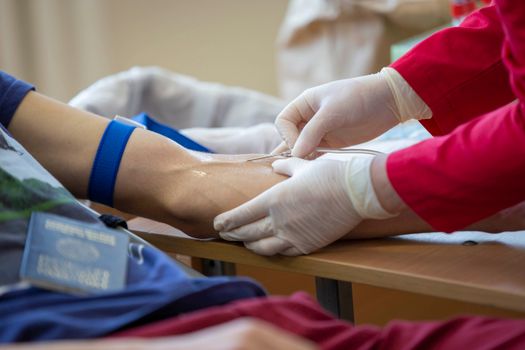
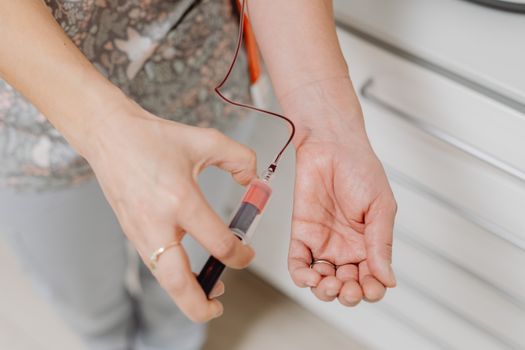
Platelet-rich plasma, or PRP, has become one of the most widely discussed non-surgical hair loss treatments in Denver. PRP is a well-studied and effective treatment for hair loss. The process begins with a blood draw, after which the growth factors are isolated from the blood and prepared for injection.
Those growth factors are then injected into the scalp in the areas where thinning is occurring. PRP injections represent a best-in-class solution for shedding, thinning, and balding, with the goal of restoring quality of life and a sense of youthfulness. Because PRP uses the patient’s own blood, it appeals to people who want a natural, injection-based alternative to surgery.
PRP can be used on its own or combined with other treatments. Patients who are considering PRP should ask their provider how many sessions they might need and how the treatment fits into a broader hair restoration plan.
Hair Transplant Surgery in Denver
For patients with more advanced hair loss, hair transplant surgery offers a route to permanent restoration. Denver has several providers that perform surgical hair restoration, including both national practices and local clinics.
Bosley, which describes itself as the world’s most trusted hair restoration practice, has an office in Denver that offers both surgical and non-surgical hair restoration and hair transplant procedures. The practice is a well-known name in the field and regularly appears on referral lists for hair transplant services in the city.
Local search results show the range of choices available nearby. Yelp’s list of the top 10 hair transplant services in Denver includes Advanced Hair Restoration, listed at about 13.5 miles away, Scalp Artist International, about 1.8 miles away, and Bosley Hair Restoration and Transplant. These options show that patients in the Denver metro area have access to hair transplant specialists without traveling far.
Hair transplant surgery is designed to produce natural-looking, permanent results, but the outcome depends heavily on the surgeon’s experience and the practice’s approach. Patients should evaluate the provider’s credentials, review before-and-after images, and ask detailed questions during the consultation.
Stem Cell Restoration and Specialty Transplant Procedures
Some Denver clinics go beyond traditional hair transplant surgery with advanced procedures. Denver Hair Clinic, for example, offers hair transplant surgery, stem cell hair restoration, platelet-rich plasma therapy, beard transplants, and eyebrow transplants.
The clinic combines expert medical care from board-certified professionals with advanced stem cell technology, with the goal of ensuring a permanent, natural-looking future for the patient’s hair. Stem cell restoration is an evolving area of hair loss treatment that appeals to patients who want a more advanced option.
Beard and eyebrow transplants use the same principles as scalp transplantation but require a high level of precision. These procedures are popular with patients who want to restore density, shape, or definition in facial areas. Providers who offer these services can explain whether a patient is a suitable candidate.
| Approach | Examples Available in Denver | What to Expect |
|---|---|---|
| Medical therapy | Medication, injections, topical treatments | Non-surgical options for thinning hair |
| PRP injections | Growth factor injections from the patient’s own blood | Blood draw, growth factor isolation, scalp injections |
| Surgical restoration | Hair transplant surgery, stem cell hair restoration | Permanent, natural-looking results |
| Specialty transplants | Beard transplant, eyebrow transplant | Precision transplant for facial hair |
Non-Surgical Hair Replacement Options
Not every patient wants surgery, and Denver’s hair restoration market reflects that. Some providers offer non-surgical hair replacement, which is a separate category from PRP and medical therapy. Bosley, for instance, provides both surgical and non-surgical hair restoration at its Denver location.
Non-surgical hair replacement can be a good fit for patients who are not candidates for transplant surgery or who want immediate results without a procedure. A free consultation with a provider can help clarify whether this option suits the patient’s goals.
Choosing a Hair Loss Provider in Denver
Finding the right provider is one of the most important decisions in hair loss treatment. Denver is home to board-certified professionals and clinics that focus specifically on hair restoration, so patients have a strong field to choose from.
Patient ratings can help narrow the options. According to Healthgrades, top doctors who treat hair loss in Denver include Dr. Alexandra Theriault, MD, rated 4.9 out of 5, Dr. Theresa Scholz, MD, rated 3.8 out of 5, and Dr. Peggy Liao, MD. Ratings provide a snapshot of patient satisfaction, but they should be weighed alongside the provider’s experience and approach.
A quality provider also understands the emotional side of hair loss. As Denver Hair Clinic puts it, they do not just “treat” hair loss, they restore the person behind it. That patient-centered mindset matters because hair loss affects confidence and quality of life, not just appearance.
What to Expect From a Hair Loss Consultation
A consultation is the first step in any hair loss treatment plan. At Denver Hair Clinic, patients receive a detailed hair loss assessment and a customized treatment plan designed around their specific needs. National providers like Bosley also offer personalized solutions for patients seeking hair restoration.
During the consultation, the provider examines the scalp, reviews the pattern of thinning or balding, and discusses which treatments are most appropriate. The provider may recommend a single option or a combination of medical therapy, PRP, and surgical restoration. Some Denver providers offer free consultations, making it easier to compare options before making a decision.
Patients who are ready to take the next step can schedule a consultation by phone or through an online booking form. Early intervention often produces better outcomes, so patients who notice persistent shedding should not delay an evaluation. A thorough assessment is the foundation of an effective treatment plan, and the right provider will take the time to explain every option.
Frequently Asked Questions
What non-surgical hair loss treatments are available in Denver?
Non-surgical options in Denver include medication, injections such as PRP, topical treatments, and non-surgical hair replacement. PRP is a well-studied treatment that involves a blood draw, isolation of growth factors, and scalp injections. These options can be used alone or in combination, depending on the patient’s needs and the provider’s recommendations.
Do Denver clinics offer procedures beyond scalp transplants?
Yes. Some Denver clinics offer specialty procedures in addition to standard hair transplant surgery. Denver Hair Clinic, for example, provides stem cell hair restoration, beard transplants, and eyebrow transplants alongside platelet-rich plasma therapy. These options expand hair restoration beyond the scalp for patients with specific aesthetic goals.
How do I choose a hair loss doctor in Denver?
Many Denver hair loss providers are board-certified professionals with experience in surgical and non-surgical restoration. Patient ratings can help, with some top-rated doctors in the city scoring 4.9 out of 5 on Healthgrades. Look for a provider who offers a detailed assessment and a customized treatment plan, and who focuses on restoring confidence, not just treating the condition.
What should I expect at a hair loss consultation?
At a consultation, the provider evaluates the hair loss, reviews the patient’s history, and recommends a treatment plan. Denver Hair Clinic offers a detailed hair loss assessment and a customized plan for each patient. Some providers in Denver offer free consultations, so patients can gather information from more than one practice before deciding on a treatment path.
Squamous Cell Carcinoma Treatment: Early Signs and Options
Squamous cell carcinoma (SCC) is one of the most common forms of skin cancer. When caught early, it is highly treatable. Recognizing changes in the skin and seeking timely squamous cell carcinoma treatment can help prevent complications and support the best possible outcome.
Treatment for SCC has advanced in important ways. Most squamous cell carcinomas of the skin can be removed with minor surgery, and some are removed with a medicine applied to the skin. The right approach depends on the size, location, and depth of the tumor, as well as the patient’s overall health.
What Is Squamous Cell Carcinoma?
Squamous cell carcinoma begins in the squamous cells, the flat cells that make up the outer layer of the skin. It is one of the most common forms of skin cancer. Because it develops on the surface of the body, it can often be seen and treated before it becomes more serious.
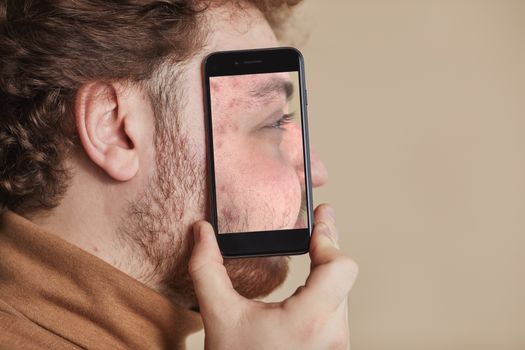
The first step in effective treatment is awareness. New growths, sores that do not heal, or areas of skin that change in appearance should not be ignored. A dermatologist can evaluate the area and determine whether a biopsy is needed.
Early Signs and the Importance of Prompt Evaluation
Because squamous cell carcinoma is highly treatable when caught early, prompt evaluation matters. The research is clear that recognizing the signs and seeking timely treatment can help prevent complications and ensure the best possible outcome.
Common warning signs can vary from person to person. A new growth, a sore that does not heal, or a patch of skin that changes in color or texture deserves attention. Rather than relying on a general checklist, patients should have any new, changing, or unusual area of skin examined by a qualified professional.
Regular skin exams are a practical way to track changes over time. A dermatologist will look at the skin carefully and may ask about your health history. Early evaluation keeps treatment options open and often leads to simpler, less extensive procedures.
How Squamous Cell Carcinoma Is Diagnosed
Diagnosis begins with a physical exam. A member of the health care team asks about your health history and looks at your skin for signs of squamous cell carcinoma. This focused examination helps identify areas that may need further testing.
If a suspicious area is found, the next step is a biopsy. A biopsy is a procedure to remove a sample of tissue for testing in a lab. The health care team may use a tool to cut away, shave off, or punch out some of the tissue. The sample is then examined under a microscope to confirm the diagnosis.
The biopsy results guide the entire treatment plan. They show whether the cancer is confined to the top layer of the skin or whether it extends deeper. That information helps determine which squamous cell carcinoma treatment options are most appropriate for the individual patient.
Squamous Cell Carcinoma Treatment Options
Squamous cell carcinoma skin cancer treatment may include any combination of therapies. Options include in-office procedures, surgery, topical medications, and radiation therapy. The best plan depends on the tumor’s size, location, and depth, as well as the patient’s health and preferences.
Excisional Surgery
Excisional surgery is the most common and effective treatment for squamous cell carcinoma. During this procedure, the surgeon carefully removes the tumor along with a margin of healthy tissue surrounding it. Removing this margin helps reduce the chance that cancer cells remain behind.
Surgical excision is often a first-line treatment for squamous cell carcinoma. The removed tissue is usually sent to a lab for examination, and the procedure can be performed in an outpatient setting. For many localized tumors, this approach offers an excellent cure rate.
Mohs Surgery
Mohs surgery is a specialized technique used for certain squamous cell carcinomas and is considered the gold standard for treating this disease. Mohs surgery is the most effective technique for removing SCCs, sparing the greatest amount of healthy tissue while achieving the highest possible cure rate.
During Mohs surgery, the tumor is removed in thin layers that are examined under a microscope during the procedure. This allows the surgeon to trace the cancer to its roots and remove it completely. The technique is especially valuable when sparing healthy tissue is a priority.
Curettage and Other In-Office Procedures
Some squamous cell carcinomas can be treated with curettage, an in-office technique used by skin cancer experts. Curettage may be used alone or combined with other methods to address the affected area. A dermatologist can determine whether this approach fits the specific tumor.
In-office procedures are a common part of the treatment picture. They allow many patients to have their cancer managed quickly, often without the need for a hospital stay. The selection of a procedure depends on the tumor and the judgment of the treating physician.
Topical Medications and Chemotherapy
Not every squamous cell carcinoma requires surgery. Some are removed with a medicine applied to the skin, and topical chemotherapy may be used in certain cases. These approaches can be effective for lesions that have not spread deeply into the skin.
Topical treatments target the abnormal cells directly and can be a convenient alternative to cutting procedures. They are not appropriate for every tumor, so a dermatologist will review the biopsy results and the location of the cancer before recommending this route.
Radiation Therapy
Radiation therapy is another option for squamous cell skin cancer. It may be used alone or as part of a broader plan, depending on the situation. Radiation can be considered when surgery is not the best choice or when a tumor is located in a difficult area.
The care team may also recommend radiation after surgery if there is concern about remaining cancer cells. Treatment plans are individualized, and the expected benefits and side effects are reviewed with the patient before the course begins.
Choosing the Right Treatment Approach
With so many effective options, the best squamous cell carcinoma treatment plan is the one that matches the individual diagnosis. The size, depth, and location of the tumor, the results of the biopsy, and the patient’s health history all influence the decision.
The research notes that treatment may include any combination of therapies. A team approach is common when a tumor is complex or advanced. Patients should feel comfortable asking questions about each option and understanding why one treatment is recommended over another.
Early detection remains the most powerful tool. When squamous cell carcinoma is identified early, treatment is often simpler and highly effective. Regular skin checks and prompt attention to any concerning area of skin are the foundation of a good outcome.
Frequently Asked Questions
How curable is squamous cell carcinoma?
Squamous cell carcinoma is highly treatable when caught early. Most cases can be removed with minor surgery, and the cure rate is high when the tumor is treated before it spreads. The outlook depends on the size, location, and depth of the tumor, so early evaluation by a dermatologist gives the best chance of a successful outcome.
How urgent is surgery for squamous cell carcinoma?
Timely treatment is important because recognizing the signs and seeking care early can help prevent complications and support the best possible outcome. The urgency depends on the tumor’s features, and a dermatologist will recommend an appropriate timeline. Patients should not delay evaluation if they notice a new, changing, or non-healing area of skin.
Should I worry if I have squamous cell carcinoma?
While any cancer diagnosis can be concerning, squamous cell carcinoma is one of the most common forms of skin cancer and is highly treatable when caught early. The research emphasizes that prompt treatment helps prevent complications and ensures the best possible outcome. Working closely with a qualified dermatologist is the most effective way to address the diagnosis.
How long can you have squamous cell carcinoma before it spreads?
The research does not provide a specific timeline because each case can progress at a different rate. Some tumors remain localized for a long time, while others can behave more aggressively. Any suspicious lesion should be evaluated promptly, and patients should consult their dermatologist for guidance based on their individual situation.
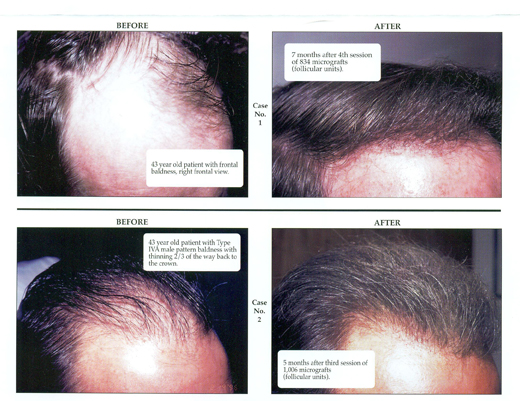
Case Studies- Anterior Thinning of Scalp Hair
Click here to view the original newsletter in pdf format.
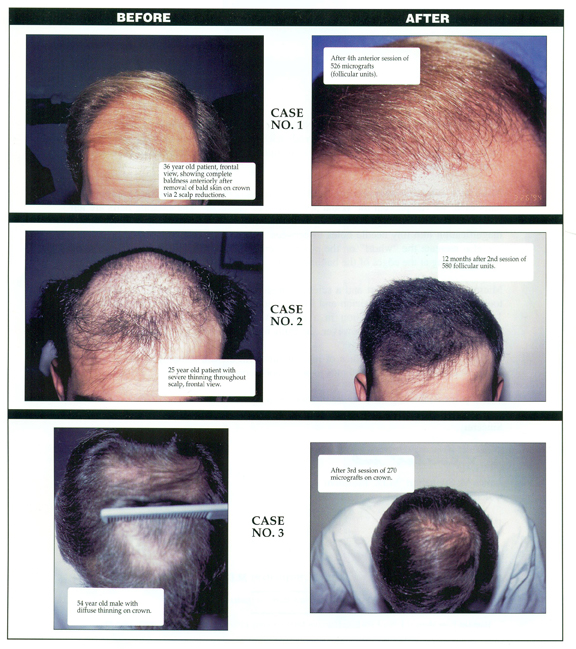
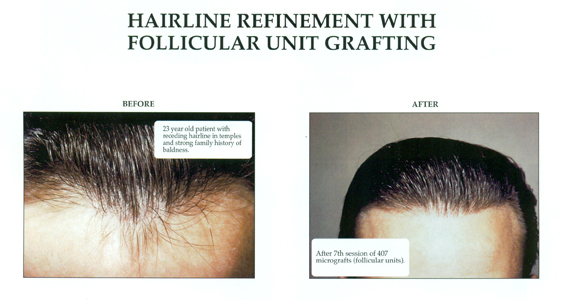
We have all seen unfortunate patients with older “bristle brush” hairlines from larger plugs. However, you may also have heard about the newer “follicular unit grafting” techniques utilizing micrografts produced under a stereotactic dissecting microscope. Since commencing this procedure several years ago, our level of patient satisfaction is the highest that it has been in the 26 years that I have performed hair replacement surgery.
With microscopic dissection, our surgical staff is able to precisely create micrografts with 1, 2, 3, or 4 hairs. We then create a “density gradient” with single hairs only for the hairline, a zone of 2-hair micrografts in the front of the scalp and 3-4 hair micrografts for the crown. As a result, extremely natural outcomes are now possible.
These follicular units can be placed into the frontal forelock and into lateral and posterior zones of thinning to counteract future hair loss and to prevent the future appearance of baldness. Very fine cloned hairs can be placed at the hairline for a feathered look.
I would like to share with you the following case studies illustrating how natural hair replacement can look in patients with ANTERIOR THINNING. You can view many more photographs at www. coloderm.com.

James M. Swinehart, M.D., President
Colorado Dermatology Center
Case Studies – Creation of Fine, Natural Hairlines
Click here to view the original newsletter in pdf format.
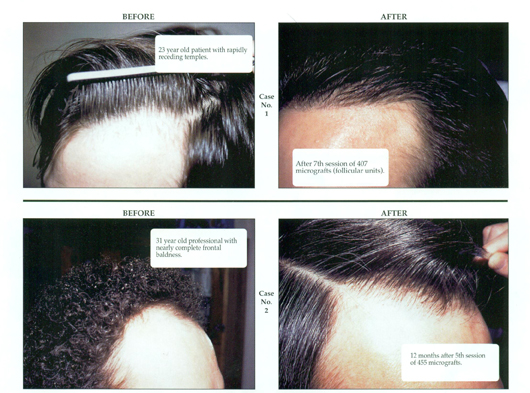
Next in our series of case studies shall be clinical examples of the creation of fine, natural HAIRLINES. A zone of single hairs, consisting of 100-200 follicles, is implanted at the desired location. This is closely followed by a zone of 100-180 2-hair micrografts immediately behind the single hairs. The anterior hairline zone is then covered with 3-hair micrografts. Follicular units (intact donor groupings) of 1, 2, or 3 hairs are dissected under magnification and are implanted using magnifiers into needle slits with ultrafine jeweler’s forceps.
If you viewed only the “after” photos in these three cases, could you tell that they had received transplants? If not, then you can appreciate the attention to detail necessary in creation of beautiful hairlines in hair restoration surgery: 300 or more micrografts have been placed into a frontal zone only 1 cm wide!
You may schedule a free hair transplant consultation by calling (303)744-1202.
James M. Swinehart, M.D., President
Colorado Dermatology Center
Case Studies – Diffuse Thinning of Scalp Hair
Click here to view the original newsletter in pdf format.
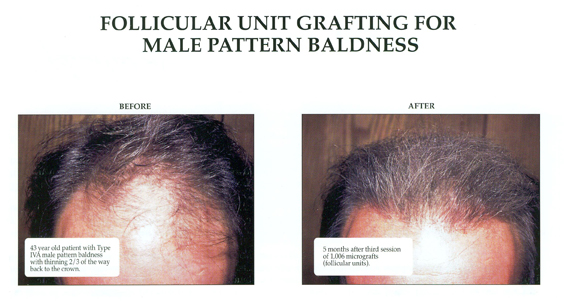
Patients with DIFFUSE THINNING of the scalp hair, due to male pattern baldness or female pattern alopecia, may have already tried Rogaine®. Men may see some benefit on the posterior scalp with Propecia® – but must take this for the rest of their lives in order to maintain the growth.
Now, with extensive micrografting utilizing microscopic follicular units containing 1-4 hairs each, we can prevent the visual appearance of baldness. The existing hairs are left undisturbed –but the tiny bundles of follicular bulbs are meticulously inserted under magnification into tiny needle holes in between the patient’s remaining scalp hairs. We can also recreate the “whorl” on the posterior crown, and graft into areas of anticipated future thinning at the edges of the balding scalp.
Micrografting is both an art and a science. Recently, the insertion of 1,720 micrografts took us 7 hours for the physician and four surgical assistants. We have performed over 1,500 grafts in a single session in a female with familial thinning, and over 1,800 micrografts in several men. However, the fruits of this labor are well worth the effort.
Enclosed please find case studies of my patients with diffuse thinning of the scalp hair. Patients may view more photos as www.coloderm.com.
James M. Swinehart, M.D., President
Colorado Dermatology Center